Selling an Inherited Texas House From Out of State
Inheriting Texas property while living somewhere else combines two problems that are manageable separately and awkward together: establishing your authority to sell, and doing everything at a distance.
Authority comes first. A title company will want proof that ownership passed properly. If there is a will going through probate, the executor generally has authority once the will is admitted and letters testamentary issue. Texas offers independent administration, which is meaningfully lighter than court-supervised probate elsewhere, and it is one reason Texas probate has a better reputation than most. If the property was in a living trust, the trustee can usually sell without probate at all. Where there is no will, the Texas Estates Code decides who inherits, and several relatives can end up holding undivided interests in one house — all of whom must sign.
The out-of-state part introduces its own friction. Probate happens in the Texas county where the deceased lived, not where you live. Some steps can be handled by a Texas attorney on your behalf; others may require your signature notarised and, occasionally, your appearance. Ask your attorney early which is which, because flights are the expensive part of a remote estate.
You will also need eyes on the property. Someone has to confirm it is secure, get the utilities turned on for inspections, let contractors in, and tell you what the place actually looks like rather than what it looked like a decade ago. If you have no one local, a property preservation service or a realtor willing to act as your eyes is worth the cost.
Insurance is the trap that catches remote heirs. A standard homeowner's policy may not properly cover a vacant property, and an empty house through a Texas summer is a mold claim waiting to happen. Call the carrier, say plainly that the house is unoccupied, and get the right endorsement.
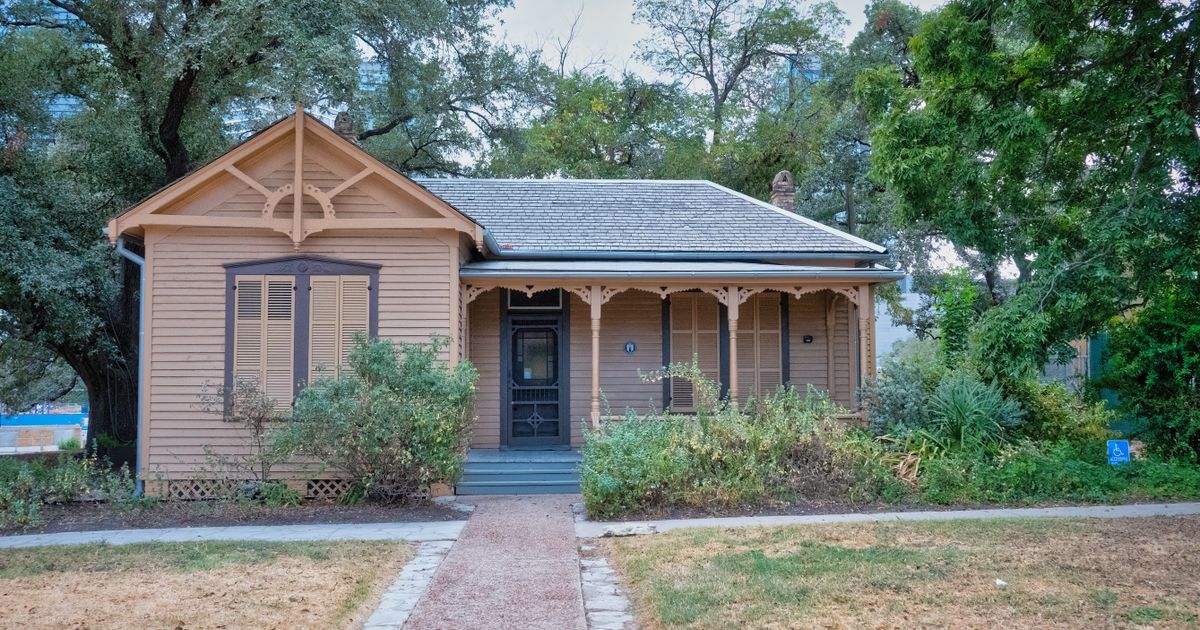

The tax position is usually better than feared. Inherited property generally receives a stepped-up basis to fair market value at the date of death, so the decades of appreciation the deceased enjoyed are typically not taxed to you. Get a defensible date-of-death valuation, because that figure is what your basis rests on, and confirm treatment with a tax professional.
On selling: listing from another state assumes the house is presentable, that you can fund repairs remotely, and that everyone with an interest agrees on price and timing while the carrying costs run. Where those hold, list it. Where the house is full of forty years of belongings and four relatives in three states https://penzu.com/p/db1a36b2e7abbcd5 are paying to insure it, an as-is sale on a date you choose is often the cheaper outcome once you count the flights.